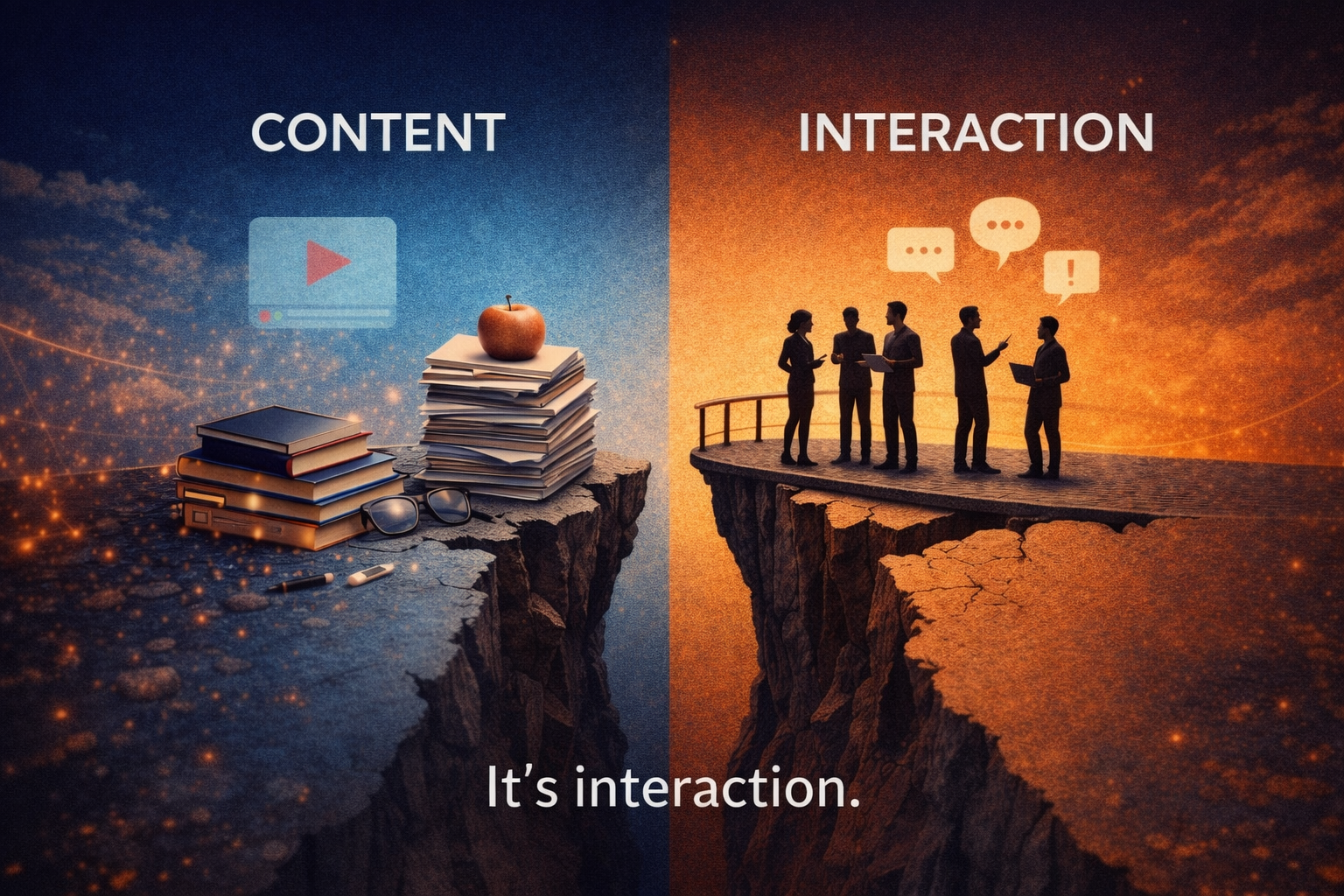
Learning is not content.
It’s interaction.
Most people confuse learning with consuming information.
Watching videos.
Reading articles.
Completing courses.
But consuming content is not the same as learning.
The illusion of content
Modern education is built around content delivery:
- lectures
- slides
- videos
- courses
The assumption is simple:
👉 more content = more learning
But in reality:
- people forget quickly
- understanding is shallow
- knowledge doesn’t translate into action
Content alone does not create learning.
Learning is interaction
Learning happens when people:
- ask questions
- make mistakes
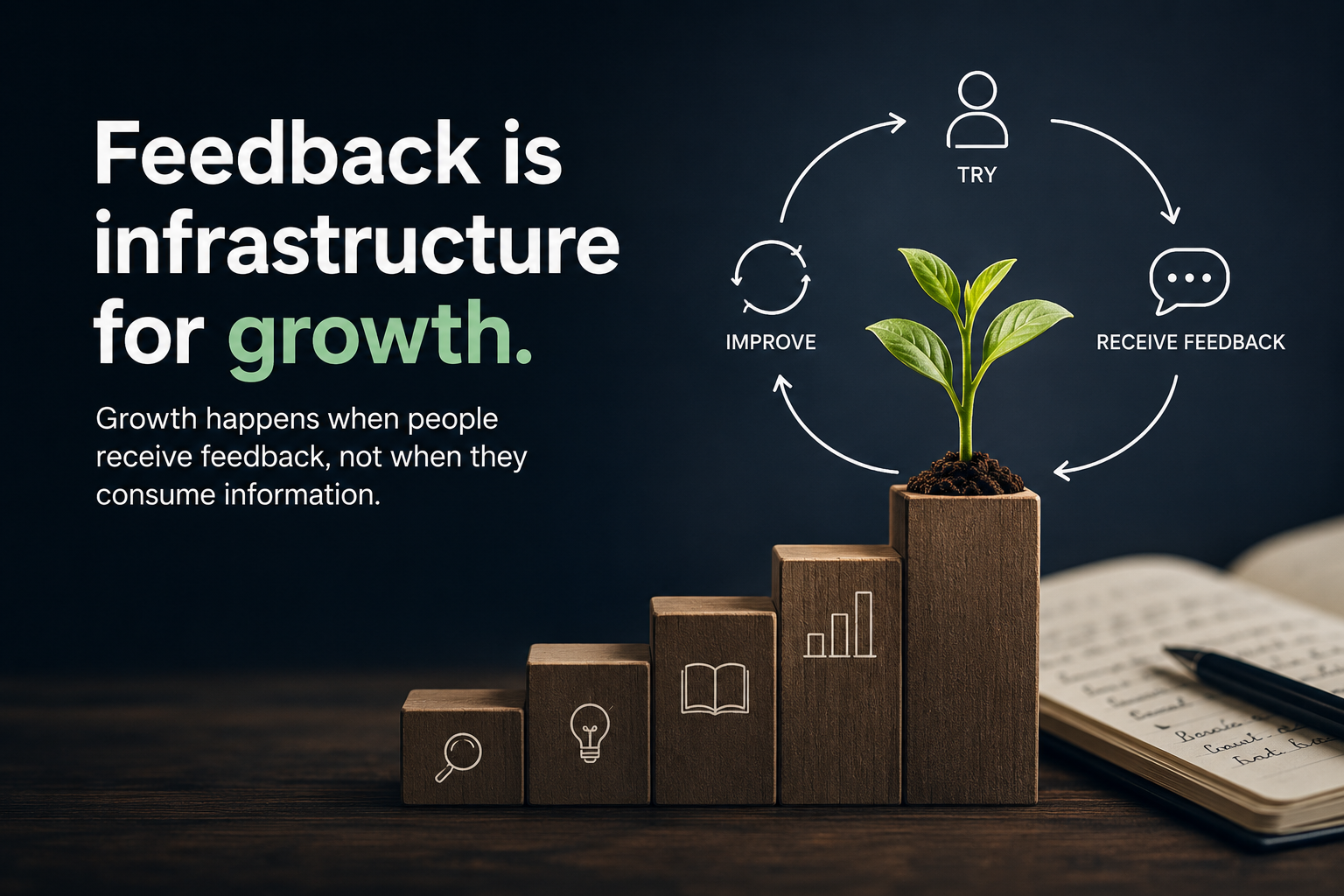
- receive feedback
- try again
It’s an active process.
Not passive consumption.
👉 Learning is a loop, not a feed.
Feedback creates understanding
Without feedback:
- you don’t know what you misunderstood
- you don’t know what to improve
- you stop progressing
Most systems fail here.
They deliver content —
but don’t create feedback loops.
From consumption → participation
The shift is not about better content.
It’s about better systems.
- watching → doing
- consuming → interacting
- individual → collaborative
Learning becomes something you participate in, not just receive.
Systems where learning actually happens
The problem is not a lack of content.
The internet already has more content than anyone can consume.
The problem is:
👉 we don’t build systems where learning happens naturally.
Where:
- interaction is constant
- feedback is immediate
- collaboration is built-in
What I’m building
At Hischool, we are exploring how to build:
- group-based learning systems
- collaborative environments
- real-time interaction
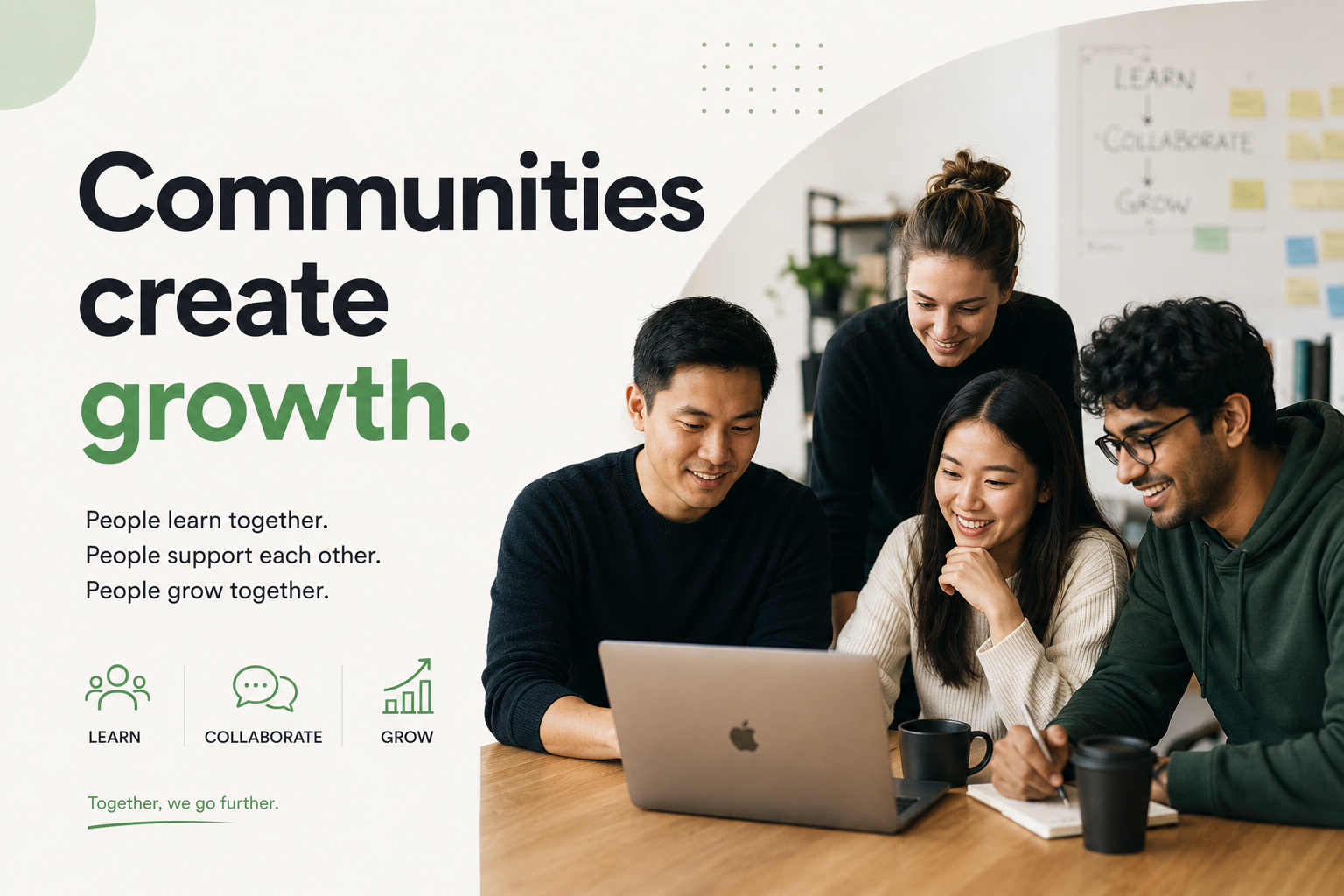
- community-driven learning
Not just content platforms.
But systems where people learn, grow, and connect — together.
At Gradelytic, we are exploring how to build:
- feedback-driven assessment systems
- automated grading workflows
- meaningful insights into learning
- tools that reduce teacher workload
Not just gradebooks.
But systems that help teachers focus on learning, not manual work.
Final thought
Content is easy to create.
Learning is not.
If we want better outcomes,
we don’t need more content.
We need better systems.
👉 Systems where learning actually happens.